How to Choose the Right Insulation Sheet? Practical Comparison of Epoxy Sheet, FR4, Fiberglass Sheet and 3240 Epoxy Sheet
Facing many insulation materials – epoxy sheet, FR4 epoxy resin sheet, fiberglass sheet, 3240 epoxy sheet, and various insulation boards – procurement staff and design engineers often ask: what are the real differences, and which one best suits my equipment? This article provides a clear selection logic based on real‑world application scenarios.
Scenario 1: The equipment must pass UL certification or mandatory flame retardancy for safety approval
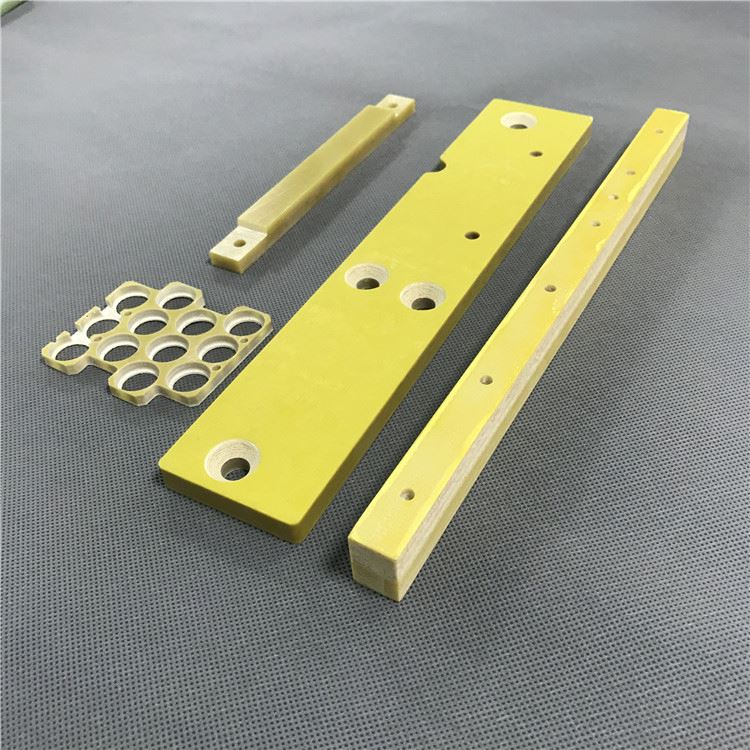
Choose FR4 epoxy resin sheet. The FR4 grade requires the material to meet UL94 V‑0 flame retardancy – even if ignited by an open flame, it self‑extinguishes quickly and does not propagate fire. In addition, the dielectric breakdown strength of FR4 epoxy resin sheet is generally higher than that of standard epoxy sheet, and its comparative tracking index (CTI) typically exceeds 175V. Typical examples: insulation housings for power modules, internal supports for inverters, and battery pack separators. A special reminder: products marketed as “flame‑retardant epoxy sheet” without an FR4 label may not offer consistent flame retardancy.
Scenario 2: Complex shapes or small precision parts need to be machined
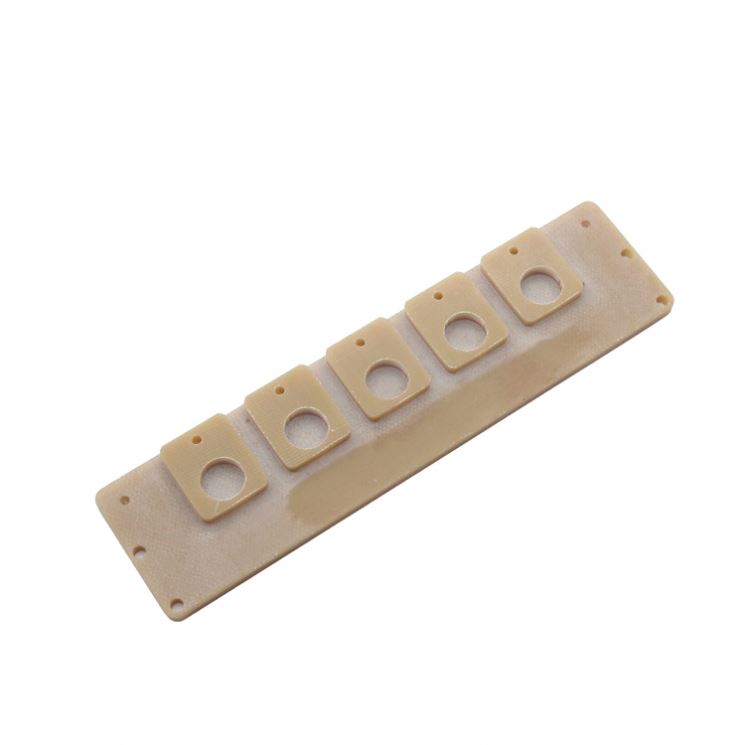
Consider standard epoxy sheet or high‑mechanical‑strength fiberglass sheet. Epoxy sheet has good interlayer bonding, so delamination is less likely during drilling, routing, or punching. If the part experiences dynamic loads, fiberglass sheet is recommended – its fiber‑reinforced structure absorbs impact energy and prevents brittle fracture. Examples: relay bases, contactor insulation parts, and high‑voltage fuse blocks. Meanwhile, 3240 epoxy sheet maintains flatness even at thicknesses above 10mm, making it suitable for large structural insulation plates.
Scenario 3: Long‑term operating temperature exceeds 120°C and can reach 150°C
In this case, choose a material of Class F or higher. Standard FR4 epoxy resin sheet normally meets Class F (155°C). Depending on the formulation, 3240 epoxy sheet is available in Class B (130°C) or Class F (155°C); always confirm the thermal class with the supplier. Fiberglass sheet using heat‑resistant epoxy or polyimide resin can operate above 180°C for extended periods, but the cost increases significantly. A common misconception: all yellow or water‑green insulation sheets are high‑temperature resistant. In reality, color comes from dyes or the resin itself and does not directly indicate thermal class – always check the material certificate.
Scenario 4: Extremely high dimensional stability and low moisture absorption are required
Fiberglass sheet is the top choice. Because the expansion coefficient of glass fiber (approx. 5×10^-6/K) is much lower than that of neat resin, fiberglass sheet deforms very little with temperature changes. Its water absorption is also typically below 0.1%, making it suitable for insulation parts in precision instruments and semiconductor test equipment. FR4 epoxy resin sheet also offers excellent low moisture absorption, but in long‑term high‑humidity environments (relative humidity >95%), sheets with a waterproof varnish coating should be selected.
Scenario 5: Cost‑sensitive with moderate performance requirements
3240 epoxy sheet provides the best price‑to‑performance ratio. It meets most industrial insulation needs: switchgear barriers, transformer clamps, and motor end cover gaskets. Standard epoxy sheet is even cheaper, but its flame retardancy and maximum continuous operating temperature may be lower than those of 3240. Note: For high‑voltage applications (above 10kV), give priority to 3240 epoxy sheet or FR4 epoxy resin sheet, because they have passed stricter dielectric strength tests.
General Machining Tips
All the insulation sheets mentioned above (epoxy sheet, FR4 epoxy resin sheet, fiberglass sheet, 3240 epoxy sheet) can be cut, drilled, and milled using carbide tools. To prevent delamination, reduce the feed rate during drilling and use sharp drill bits. For sheets thicker than 15mm, deburr after milling. Laser cutting can be used for thin sheets (≤3mm) but produces carbonized edges that may reduce surface insulation resistance – weigh this trade‑off according to your application.
Conclusion
There is no single “best” insulation board – only the one that best matches your requirements. After clarifying the operating temperature, flame retardancy needs, mechanical loads, and environmental humidity of your equipment, follow the scenarios above to quickly narrow down the right material. Whether it is the economical versatility of epoxy sheet, the safety‑approval advantage of FR4 epoxy resin sheet, the high strength and stability of fiberglass sheet, or the balanced performance of 3240 epoxy sheet, proper selection unlocks the full value of the insulating material.