Comprehensive Analysis of Epoxy Sheet, FR4 Epoxy Resin Sheet, Fiberglass Sheet, 3240 Epoxy Sheet and Insulation Board
In the fields of electrical insulation and mechanical support, epoxy sheet, FR4 epoxy resin sheet, fiberglass sheet, 3240 epoxy sheet, and insulation board are the most widely used fundamental materials. With excellent electrical performance, mechanical strength, and thermal endurance, they have become indispensable structural insulation components in power equipment, electronic appliances, new energy systems, and rail transit.
1. What is Epoxy Sheet?
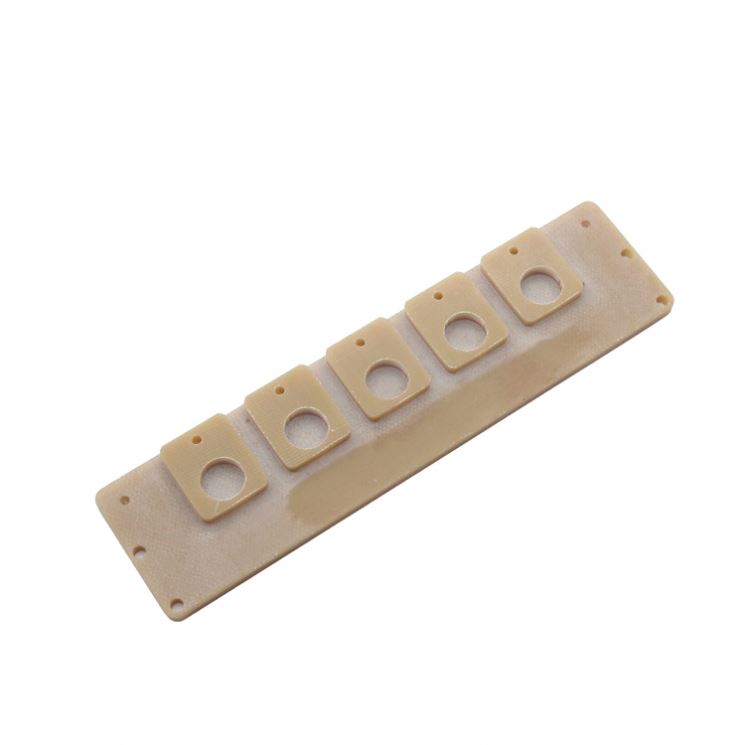
Epoxy sheet generally refers to a laminated plate produced by hot-pressing epoxy resin as the matrix and glass fabric as the reinforcement. It offers high insulation resistance, low dielectric loss, chemical resistance, and good machinability. Standard epoxy sheet is suitable for insulation gaskets, switch plates, and motor/electrical components under power frequency conditions.
2. Core Advantages of FR4 Epoxy Resin Sheet
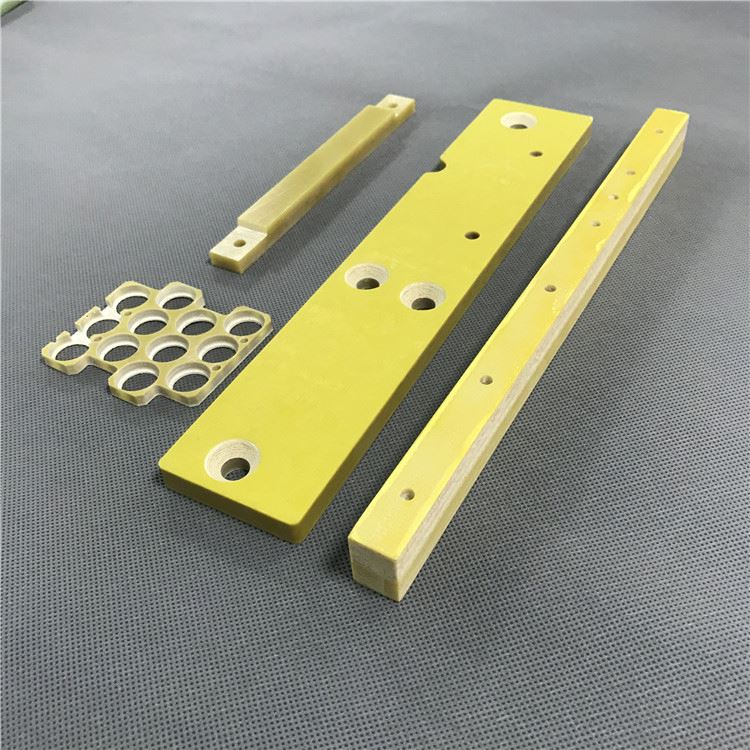
FR4 epoxy resin sheet is one of the most representative variants in the epoxy sheet family. The FR4 grade meets UL94 V-0 flame retardancy, meaning the material self-extinguishes within 10 seconds in a vertical burning test without flaming drips igniting cotton. This sheet uses alkali‑free electronic‑grade glass fabric impregnated with flame‑retardant epoxy resin, then cured under high temperature and pressure. Typical properties include a breakdown voltage above 40kV, a thermal class of 155°C (Class F), and water absorption below 0.2%. Therefore, FR4 epoxy resin sheet is widely used for PCB test fixtures, transformer insulating barriers, motor slot wedges, and demanding electronic insulation components.
3. Characteristics of Fiberglass Sheet
The term fiberglass sheet is sometimes used interchangeably with epoxy sheet, but strictly speaking, fiberglass sheet emphasizes glass fabric or glass mat as the reinforcement, while the matrix can be epoxy, phenolic, unsaturated polyester, or other resins. In industrial contexts, high‑performance fiberglass sheet usually refers to epoxy fiberglass sheet. Its outstanding feature is extremely high mechanical strength – tensile strength can exceed 350MPa and flexural strength over 400MPa. At the same time, its coefficient of thermal expansion is low, offering excellent dimensional stability. For insulation parts that must withstand vibration or impact, fiberglass sheet is an ideal choice.
4. Technical Parameters and Applications of 3240 Epoxy Sheet
3240 epoxy sheet is the Chinese national standard grade for epoxy glass cloth laminated sheets, manufactured according to GB/T 1303.1-2009. The base material is electrical‑grade alkali‑free glass fabric with an epoxy resin binder. The thermal class of 3240 epoxy sheet is typically Class B (130°C) or Class F (155°C), depending on the formulation. Typical electrical properties: surface resistivity ≥1.0×10^13Ω, volume resistivity ≥1.0×10^12Ω·m, and dielectric strength (perpendicular to laminations) ≥22kV/mm. 3240 epoxy sheet is widely used in high‑voltage switchgear, generator stator end packing blocks, transformer lead supports, and mining machinery insulation parts, offering high cost‑effectiveness and good machinability.
5. General Classification and Selection Guide for Insulation Boards
Insulation board is a general term covering all the above sheets, as well as others like phenolic sheets (bakelite) and polycarbonate sheets. When engineers need to select an insulation board, four key parameters should be considered: continuous operating temperature, flame retardancy rating, mechanical strength, and dielectric strength. For ordinary environments, standard epoxy sheet is sufficient. For electronic equipment with mandatory flame retardancy requirements, FR4 epoxy resin sheet must be used. For high‑temperature conditions (approaching 150°C), Class F 3240 epoxy sheet or specially modified fiberglass sheet is preferred. In humid environments, check the water absorption value; for outdoor applications, UV resistance should also be considered.
6. Conclusion
Epoxy sheet, FR4 epoxy resin sheet, fiberglass sheet, 3240 epoxy sheet, and various insulation boards together form the core of modern insulating material systems. Understanding the microstructural differences and macroscopic performance characteristics helps engineers achieve an optimal balance between reliability, cost, and processing efficiency in electrical and structural designs. For further details on dimensions, colors (green, yellow, water green, black) and custom fabrication services, refer to the technical datasheets provided by suppliers.